NEB ambition
The ultimate ambition of the New European Bauhaus is to achieve transformation. To do this, the NEB Compass has identified specific levels of ambition that outline the desired outcomes for each of the NEB values.
These areas refer to the five key domains of intervention that CrAFt's New European Bauhaus Impact Model considers essential for guiding and evaluating complex urban initiatives.
The participation level refers to the degree or extent to which individuals or groups are actively involved or engaged in a particular activity, project, or process. It assesses the depth of their involvement, contributions, and commitment, ranging from minimal or passive participation to active and dedicated participation.
The New European Bauhaus (NEB) aims to promote the values of sustainability, aesthetics, and inclusion in the design and transformation of urban spaces. It emphasises the integration of environmental, social, and economic considerations to create harmonious and innovative living environments.
According to the Smart City Guidance Package, there are seven stages to plan and implement smart city projects. These stages propose a logical and coherent roadmap for city initiatives involving many stakeholders.


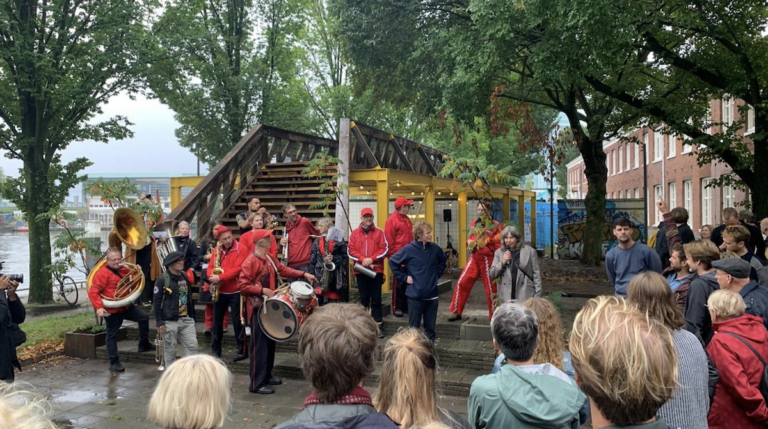
In this episode of the CrAFt video series, we explore how the city of Amsterdam is pioneering new approaches to climate-neutral urban living. As one of three Sandbox Cities in the European CrAFt project, Amsterdam is at the forefront of…

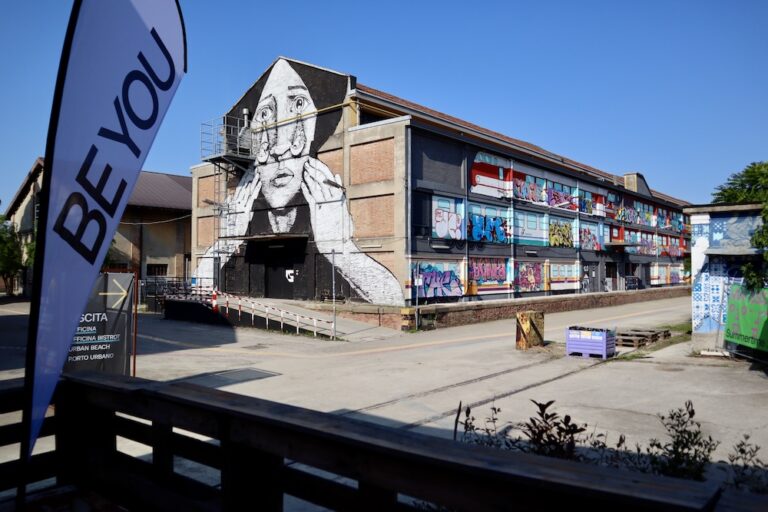
This episode of the CrAFt Sandbox City video series invites you into the heart of Bologna, where an abandoned industrial site has been reimagined as DUMBO—a dynamic cultural centre and a pilot project for sustainable, inclusive urban regeneration. As part…

In this CrAFt video episode, we head to Prague—a city known for its stunning historic character—to discover how innovation, creativity and collaboration are shaping its path toward a climate-neutral future. As one of three CrAFt Sandbox Cities, Prague is exploring…

Vittoria Lombardi, a cultural practitioner based in Turin, Italy, uses art to spark social change and foster community engagement. With a diverse background in political science and the arts, she works for Milano Mediterranea. This nomadic participatory arts organisation connects communities through creative processes and innovative projects like the Neighbourhood Communities of Care initiative.

With nearly two decades of experience securing and implementing European-funded projects, Adrian Craciun and George Lupascu are seasoned professionals who have played pivotal roles in shaping the strategic development of the Constanța metropolitan area in Romania. In the summer of 2024, we had the opportunity to speak with them about how their city is transforming its city centre and integrating the New European Bauhaus principles.

As Finland’s population ages, the Age- and Memory-Friendly Project is helping housing associations create safer, more accessible homes while fostering stronger communities—ensuring elderly residents can live independently for longer.

Lies Debbaut’s transition from teaching geography in a secondary school to coordinating urban climate policy highlights her passion for the environment and dedication to fostering sustainable cities. Five years ago, she made a decisive move into public administration, joining the climate team at the City of Bruges. There, she quickly took the lead on initiatives designed to lower the city's carbon emissions. Today, Lies is focused on transforming the Quay District, playing a central role in a groundbreaking project that seeks to revitalise Bruges' urban areas while tackling urgent climate issues.

The RELAUNCHTOWIN project in Burgas, Bulgaria, is transforming a decaying sports hall into a Nearly Zero Energy Building (NZEB) and a vibrant community space. Driven by sustainability and inclusivity, the initiative prioritises citizen engagement as part of its commitment to the New European Bauhaus principles. This project aims to make this building and Burgas a model for modern urban development, blending innovation with community-focused design and green spaces.

Imagine this: a resident sitting comfortably in their living room, enjoying a book, a cold beer, or a football match. Meanwhile, every lightbulb is switched on, every gadget plugged in, and every electric appliance contributes not only to their comfort but also to a communal reserve fund dedicated to improving their building. This is the reality at the Marius Renard building in Anderlecht, in the Brussels Region, where an ambitious energy community has turned sustainability into a way of life.

In this interview, Karel Koch, Lab Lead of Sluislab and Associate Lector at Inholland University of Applied Sciences, discusses the role of arts and culture in Amsterdam’s Sluisbuurt development. He explores how citizen engagement, creative interventions, and the New European Bauhaus principles are shaping the neighbourhood’s future while balancing flexibility and strategic urban planning.

Kuba Depczyński is the curator of public programmes at Warsaw's Museum of Modern Art and co-founder of the Office for Post-Artistic Services, a collective of artists and activists in Poland. This collective's work bridges art and social issues, mainly through projects like Opolno-Zdrój is the Future!, where they engage with communities facing the challenges of transitioning from coal mining to sustainable futures.

As European capital cities deal with rapid population growth, some towns face the opposite problem: population decline and economic downturns. Miodrag Kuč's project in Eisenhüttenstadt (Germany) and Visaginas (Lithuania) tackles these issues in two monofunctional cities dependent on heavy industries such as steel and nuclear energy. He helps residents craft a collective vision for their cities' futures through creative projects and extensive community involvement.

Peter Hareide, CEO of Sørsida Utvikling AS, envisions a transformed Ålesund where sustainability is integral to urban planning. He aims to attract a thousand new residents to the city centre, boost commercial activity, and create a vibrant urban atmosphere.

Madeleine Kate McGowan is an artist with a background in arts, speculative design, and ecology. Her innovative Garden Caretaker project, transforms urban spaces by integrating art, communities and ecological practices. Her work emphasises the interconnectedness of human and non-human life. Discover her Garden Caretaker project in Denmark.

Filipa Corais—a researcher, PhD student, architect, urban planner and head of mobility at the Municipality of Braga—blends theory and practice to reclaim public spaces for pedestrians and cyclists. Launched in 2022, her Transition Experiments introduced participatory processes in the city's urban planning by engaging various stakeholders.

On 31 May 2024, the conference “Climate Change and Climate Adaptation: Living Below Sea Levels” was held in Amsterdam. The event, organised by Vereniging Eigen Huis and the International Union of Property Owners (UIPI), brought together 45 participants, including property owners,…

Odd Vinje, a computer engineer involved in the NEB-Star project, works to bridge digital solutions with societal impact, aiming to foster collaboration across sectors. His passion for nature aligns seamlessly with the project's focus on environmental concerns, making his work meaningful and forward-thinking.

Umeå, Sweden, is a vibrant university city that embraces sustainable urban development and inclusivity. Strategic development officer Anna Sandström Emmelin explains how the municipality integrates citizen dialogue, culture, and innovative projects for a thriving future.

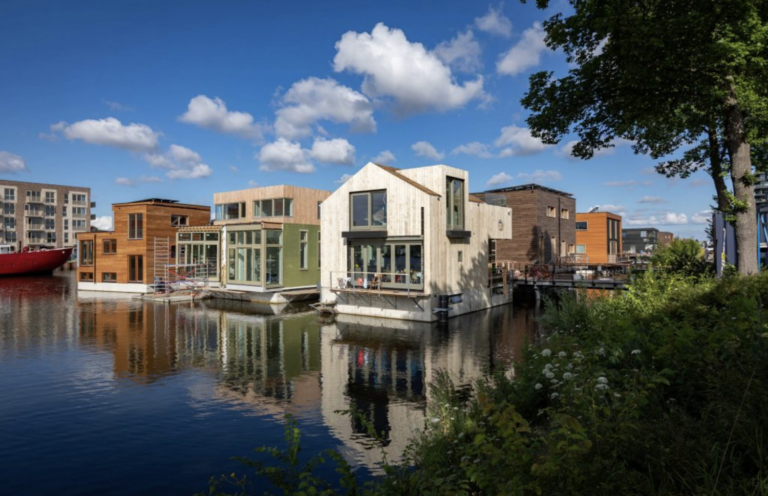
In the waters of the Johan van Hasselt canal in the North of Amsterdam stands Schoonschip, a community-driven floating neighbourhood comprising 46 households representing a pioneering experiment in eco-friendly living.

This story follows Noemí Julián's role as a manager in Bologna's Climate Citizens' Assembly, aimed at addressing climate change and engaging citizens in shaping the city's sustainable future. Noemí highlights the transformative impact of the Assembly, activating previously inactive citizens and validating the city's climate neutrality plans.

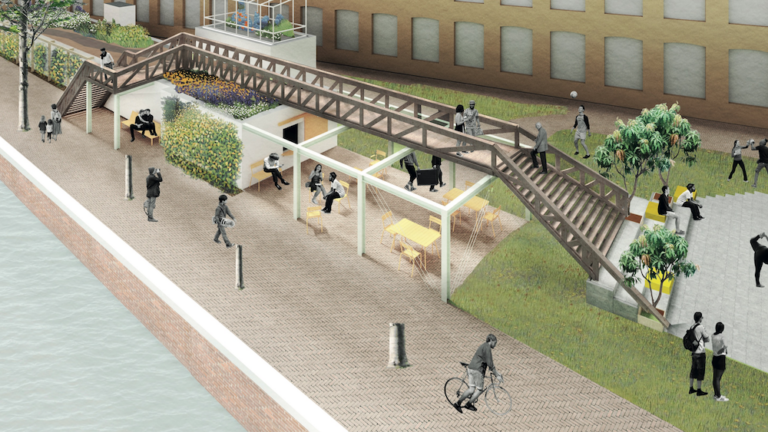
The Marineterrein in Amsterdam is a test urban area that is gradually developing into a city quarter where there is room for open innovation, culture, sports, recreation and greenery.

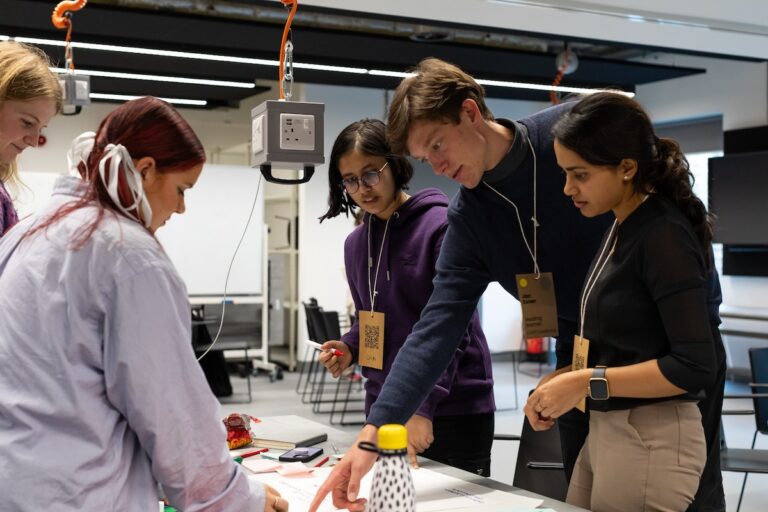
A group of eight international CrAFt students embarked on a transformative journey to organise a Think/Do Tank event in Manchester. Together with participants, they explored the role of universities in closing intergenerational gaps and fostering inclusiveness in cities.

The cultural and creative industries have a crucial role in the urban redevelopment of Amsterdam. In this article we take a look at two excellent examples: Marineterrein and Expeditie Vrije Ruimte.

Bologna is an excellent example of urban regeneration through experimental interventions in collaboration with a wide array of stakeholders, including local business, grassroots organisations, public institutions and academia.