Format Image

Bridging communities: how HörnAnkerHaus is revitalising Kiel’s waterfront

Kiel’s waterfront has long been the city's heart, where ships set sail for Scandinavia and the Baltic, embedding a deep maritime spirit into its culture. Over the years, however, parts of the waterfront became disconnected, leaving urban revitalisation opportunities untapped. The HörnAnkerHaus project is contributing to transforming a historically significant yet underutilised area into a thriving, sustainable urban quarter where housing, community, and commerce converge.

Revitalising Constanța: A Vision for Sustainable Urban Transformation

With nearly two decades of experience securing and implementing European-funded projects, Adrian Craciun and George Lupascu are seasoned professionals who have played pivotal roles in shaping the strategic development of the Constanța metropolitan area in Romania. In the summer of 2024, we had the opportunity to speak with them about how their city is transforming its city centre and integrating the New European Bauhaus principles.

Energy sharing through an online platform: a step toward local, sustainable energy for homeowners

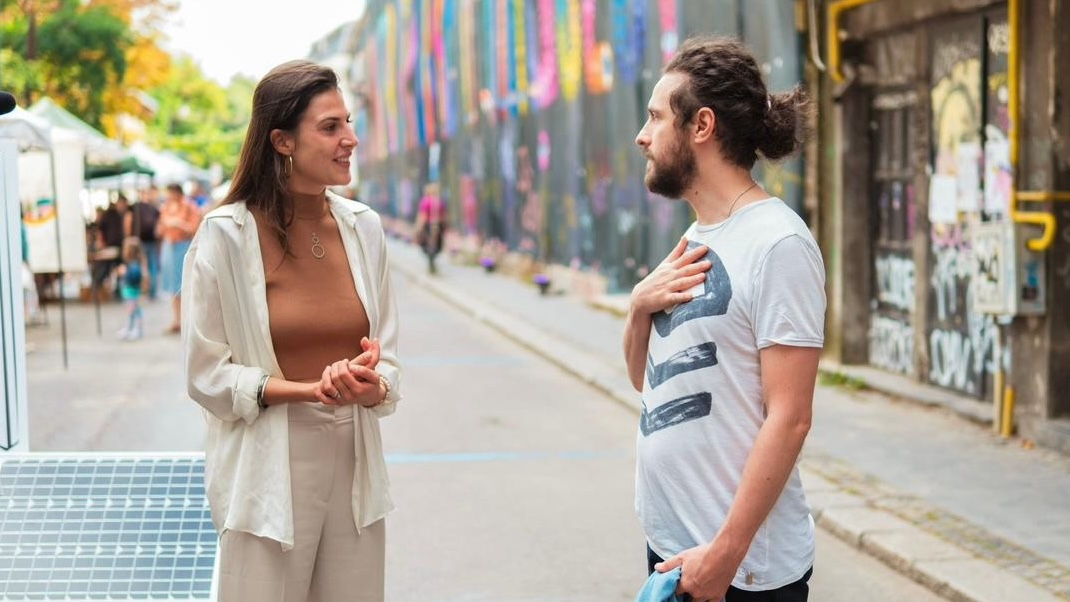
Across Europe, more homeowners are generating surplus solar energy—but what if, instead of sending it back to the grid, they could share it locally? Thanks to innovative online platforms, homeowners can now trade excess power with their neighbours, cutting costs, reducing waste, and driving the shift towards a greener, community-powered future.

Sensing our surroundings: A Think-Do Tank for experiential care practices in our everyday spaces

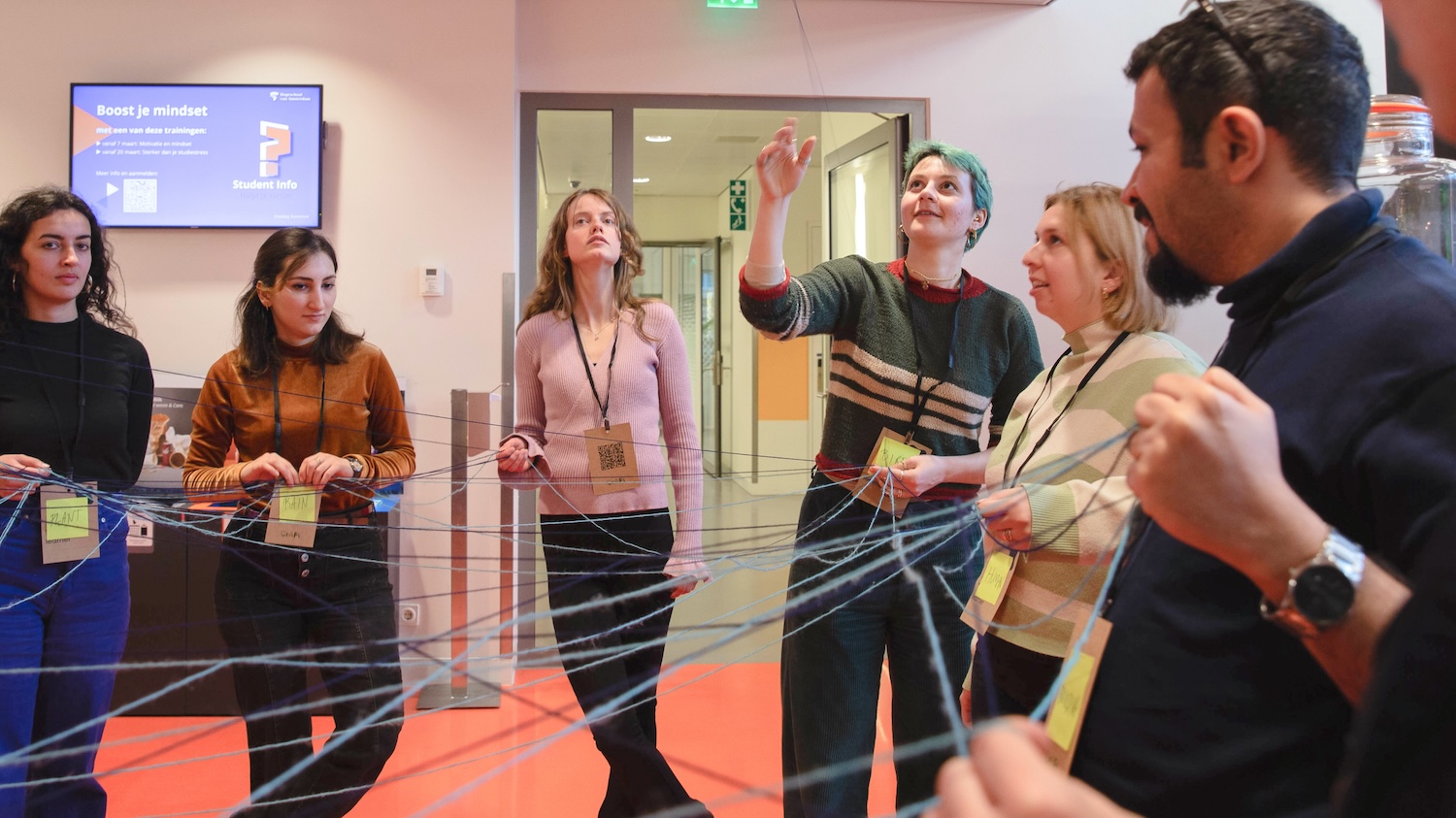
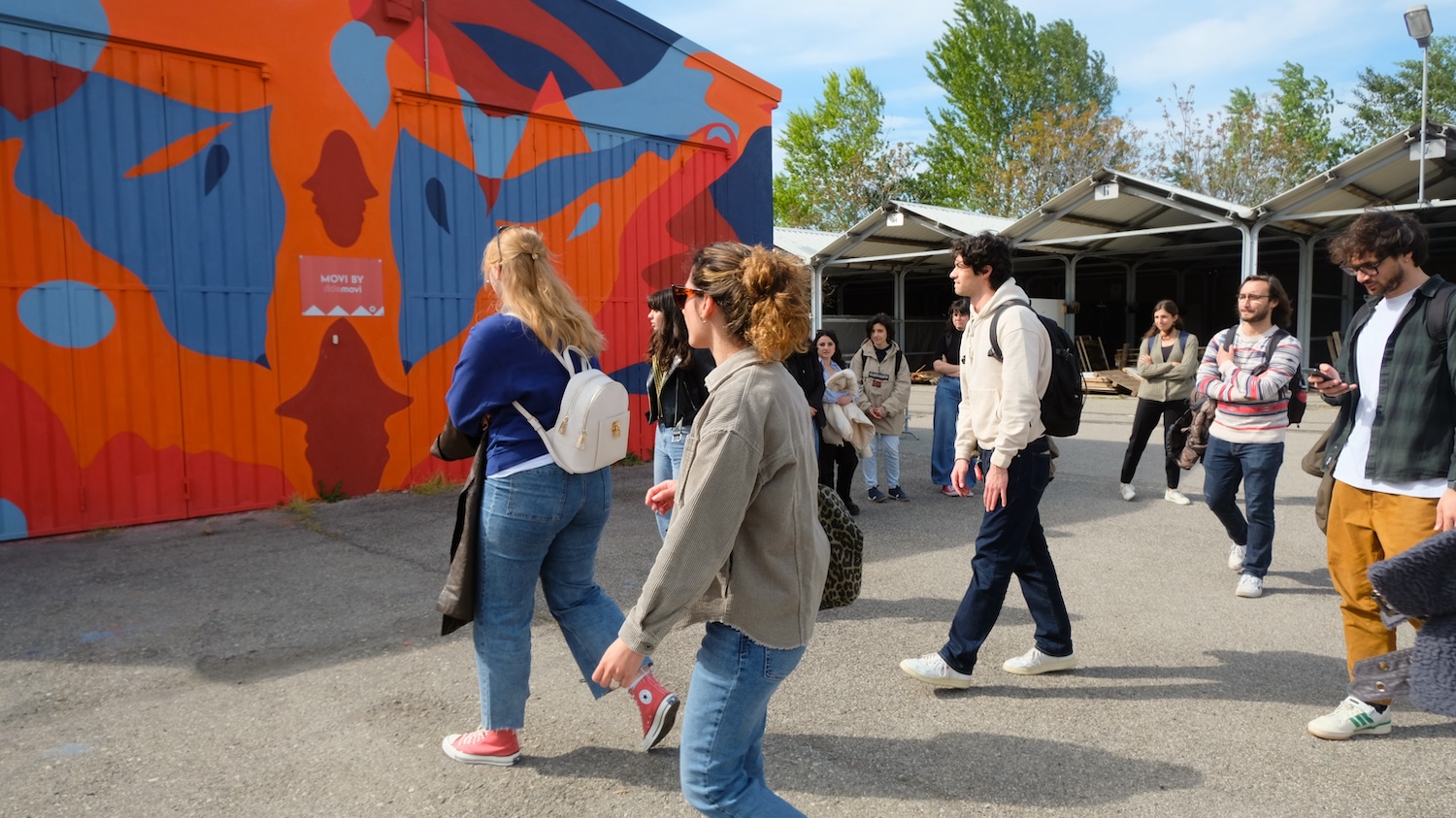
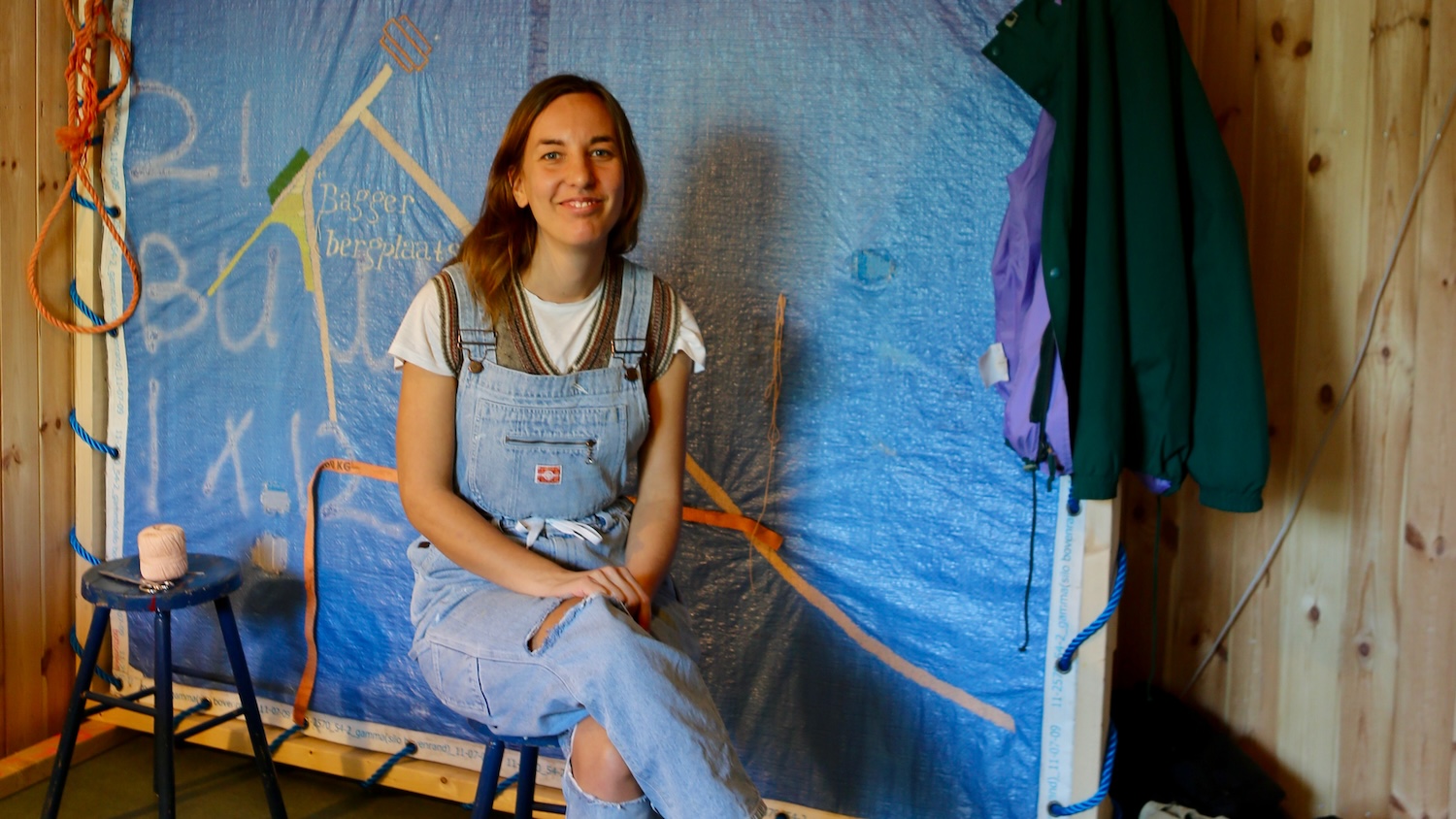
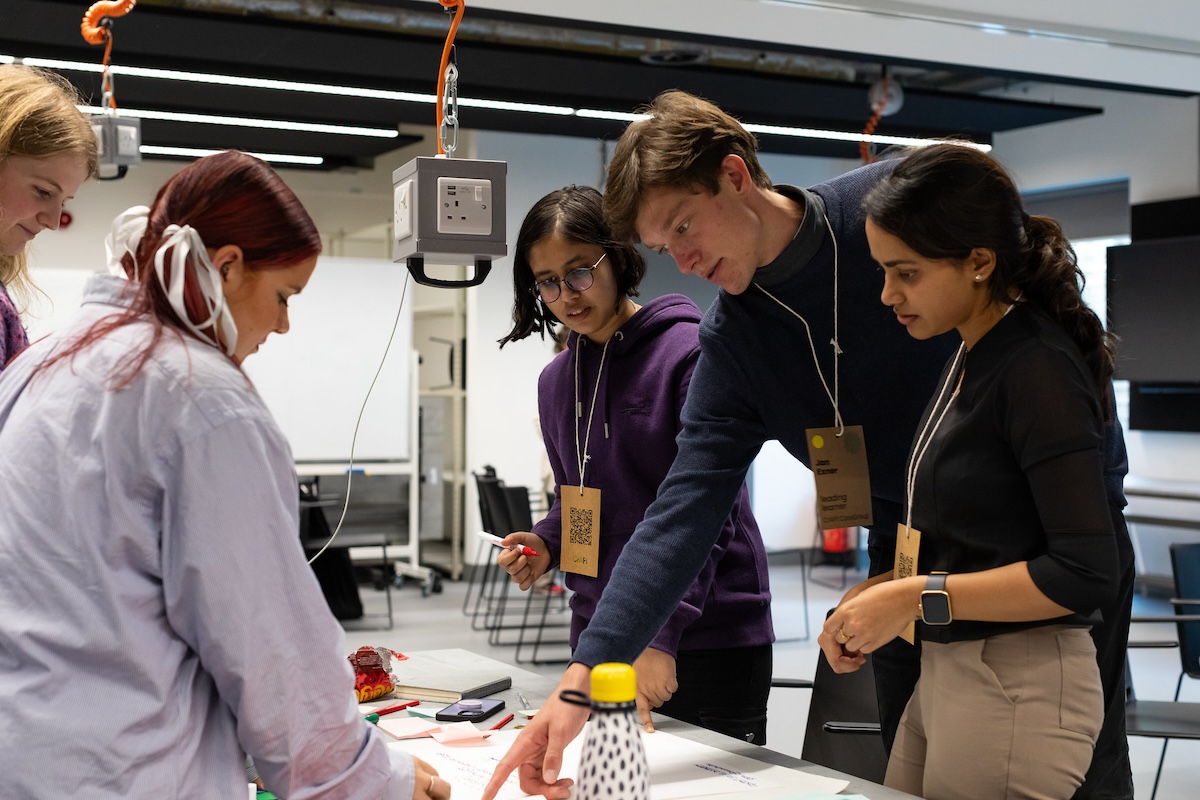
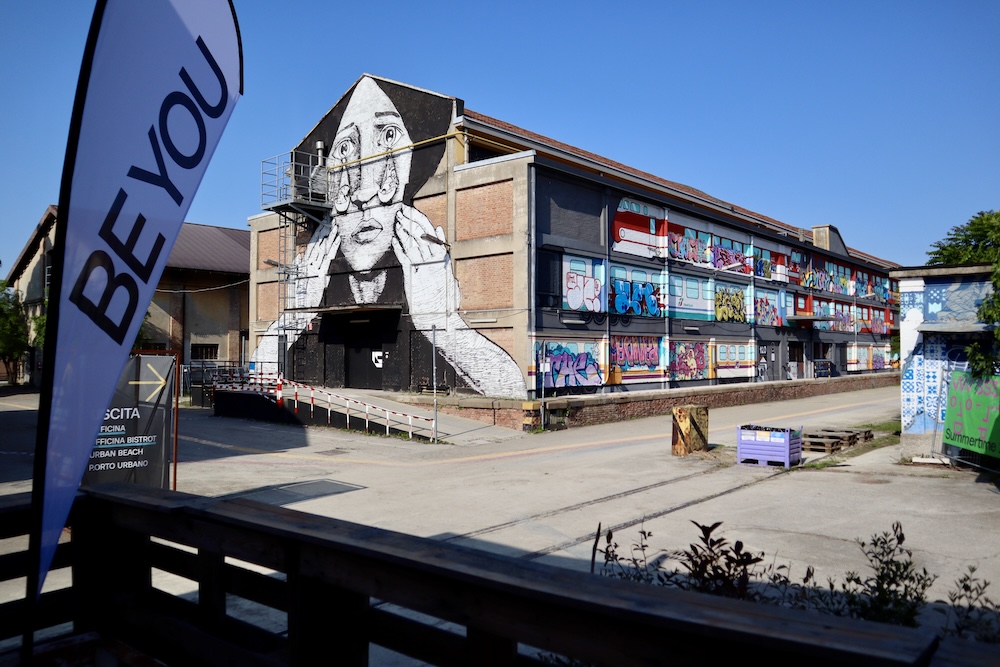
As CrAFt’s last Core Group of Students, we were thrown into a sea of knowledge that had been accumulated by the previous three core groups. Among them, a Think-Do Tank event in Milan became ours to execute, which we took over mid-planning. Incidentally, the intensity of this process influenced us to choose a different approach than previous editions of the TDT, and navigate towards the act of slowing down and sensing one's surroundings.

A revolution at home: transforming everyday living through energy communities

Imagine this: a resident sitting comfortably in their living room, enjoying a book, a cold beer, or a football match. Meanwhile, every lightbulb is switched on, every gadget plugged in, and every electric appliance contributes not only to their comfort but also to a communal reserve fund dedicated to improving their building. This is the reality at the Marius Renard building in Anderlecht, in the Brussels Region, where an ambitious energy community has turned sustainability into a way of life.

Beyond placemaking: The role of arts and culture in shaping the sustainable city of the future

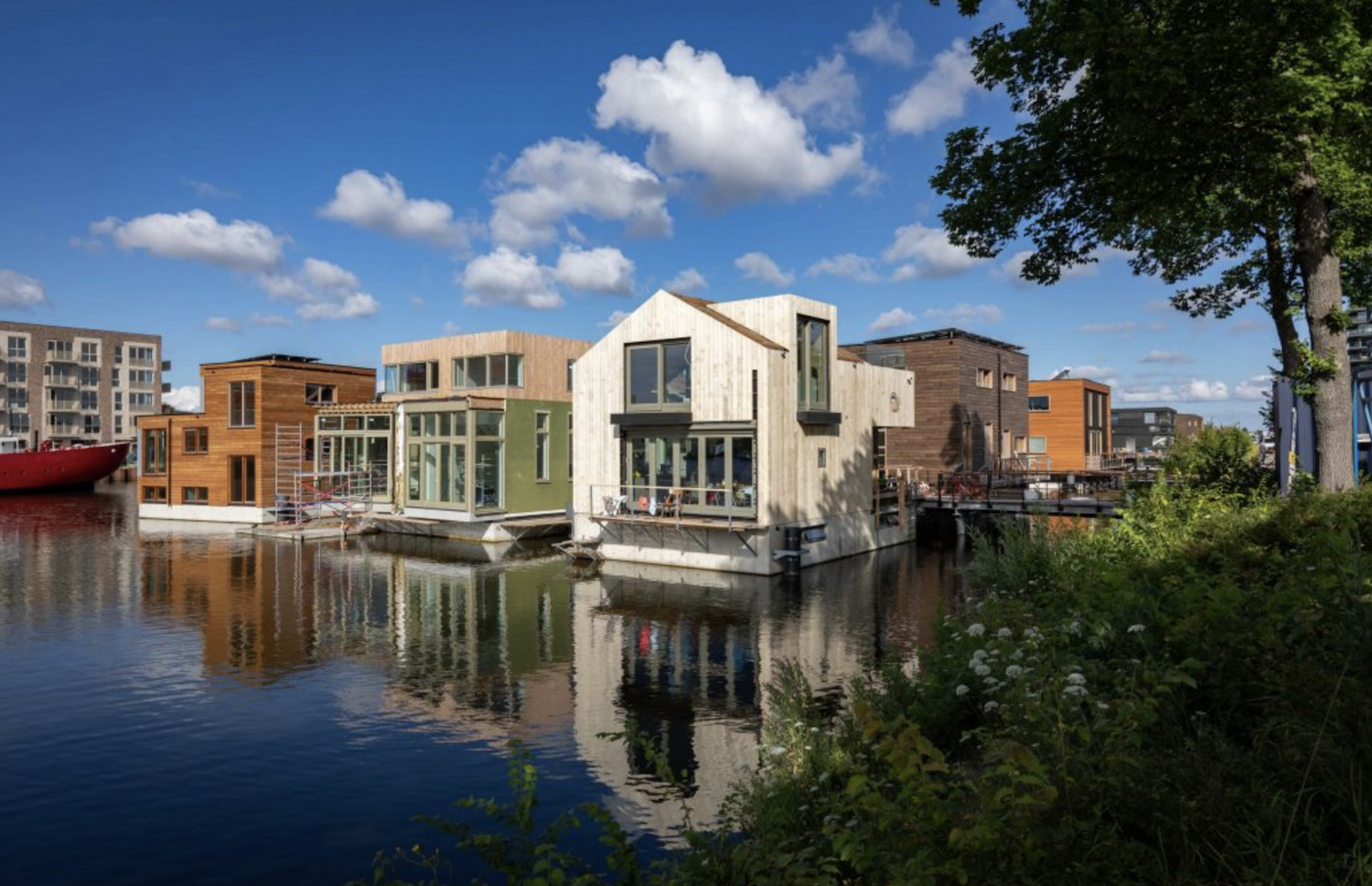
In this interview, Karel Koch, Lab Lead of Sluislab and Associate Lector at Inholland University of Applied Sciences, discusses the role of arts and culture in Amsterdam’s Sluisbuurt development. He explores how citizen engagement, creative interventions, and the New European Bauhaus principles are shaping the neighbourhood’s future while balancing flexibility and strategic urban planning.

Prague’s first adventure playground

In 2024, the Czech Child-Friendly City Association launched the first Czech adventure playground. Inspired by a concept from Denmark, this pop-up playground in Prague allowed children to build and play freely. Despite initial uncertainties, the project’s success led to an extended run. It promoted sustainability, creativity, and community, inspiring plans for future playgrounds.

Exploring urban utopias in monofunctional cities

As European capital cities deal with rapid population growth, some towns face the opposite problem: population decline and economic downturns. Miodrag Kuč's project in Eisenhüttenstadt (Germany) and Visaginas (Lithuania) tackles these issues in two monofunctional cities dependent on heavy industries such as steel and nuclear energy. He helps residents craft a collective vision for their cities' futures through creative projects and extensive community involvement.

Unity makes strength: Swedish property owners

Fastighetsägarna Sverige, a nationwide federation with 150 years of expertise, supports Sweden’s property industry through sustainable practices and community engagement. The organisation released a comprehensive guide on social sustainability in May 2023. This document offers practical tools and examples for property owners to enhance their social impact, emphasising ethical business practices, community building, and responsible urban development.

The Transition Experiments in Braga

Filipa Corais—a researcher, PhD student, architect, urban planner and head of mobility at the Municipality of Braga—blends theory and practice to reclaim public spaces for pedestrians and cyclists. Launched in 2022, her Transition Experiments introduced participatory processes in the city's urban planning by engaging various stakeholders.

Sladovna Písek: A gallery for children and their adults

Cultural centre Sladovna Písek (Czech Republic) transformed a former malt factory into a haven for children and adults. Offering exhibitions, theatrical experiences, and educational programmes, the centre promotes creativity, active citizenship and environmental consciousness. Under director Adam Langer, Sladovna Písek emphasises participatory processes, blending art and education to inspire young minds and foster a sense of community and environmental stewardship.

Managing the Climate Citizens’ Assembly in Bologna

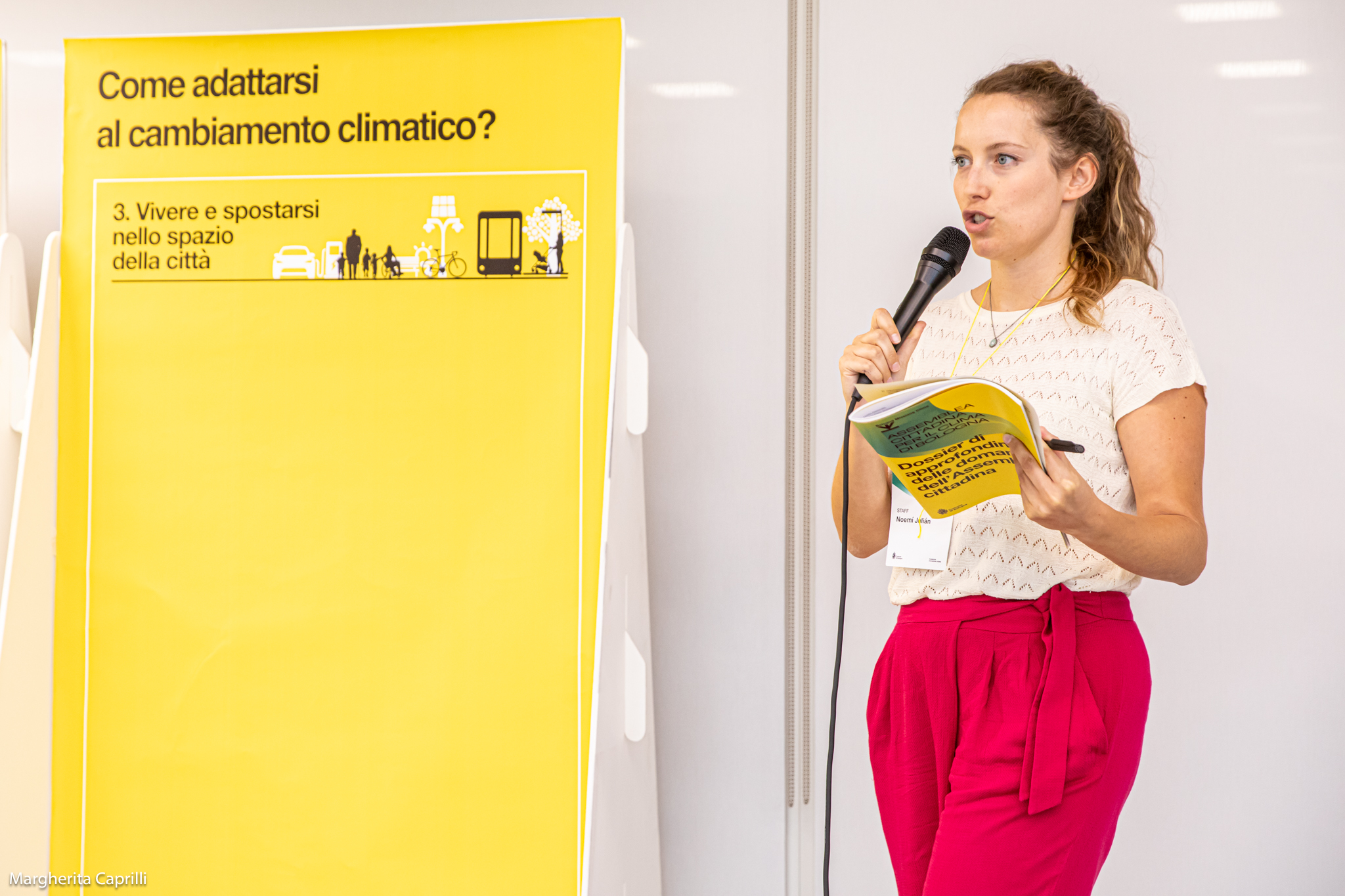
This story follows Noemí Julián's role as a manager in Bologna's Climate Citizens' Assembly, aimed at addressing climate change and engaging citizens in shaping the city's sustainable future. Noemí highlights the transformative impact of the Assembly, activating previously inactive citizens and validating the city's climate neutrality plans.